
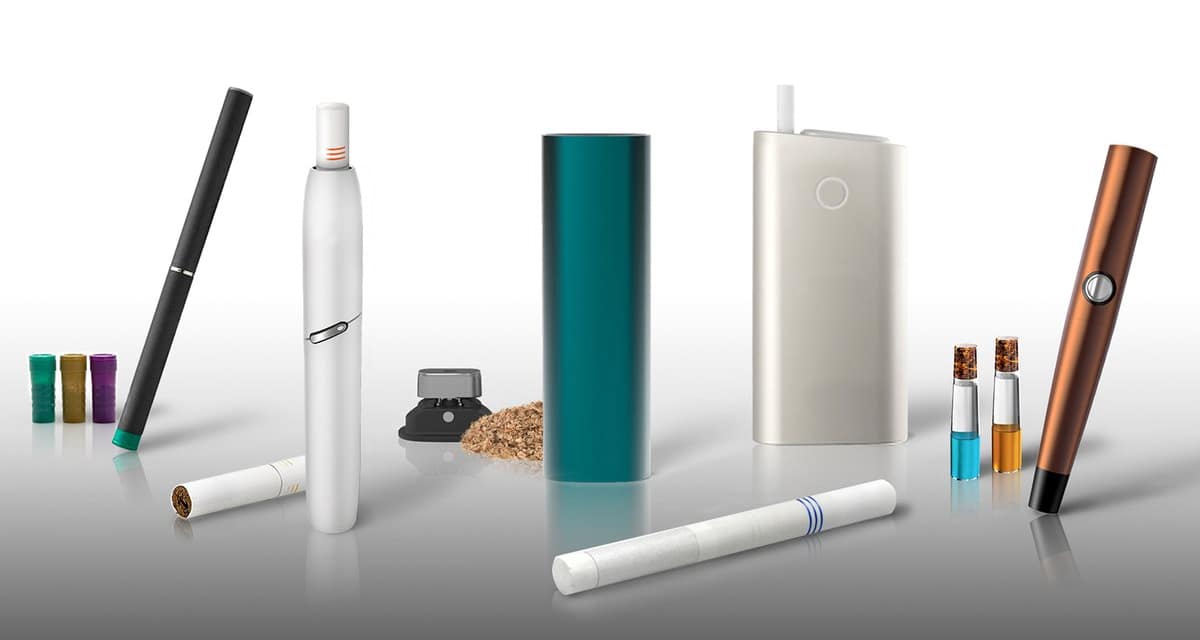
Five of six patients treated at a Sydney service had been vaping products they believed held cannabis or nicotine; testing found protonitazene, and treatment required high-dose buprenorphine.
Source: Dutkiewicz et al., Drug and Alcohol Review, 2026 (free full text)
What the study found
Clinicians at a public alcohol and other drug service in metropolitan Sydney describe six patients treated for nitazene dependence between August 2024 and July 2025. All six were men aged 18 to 32, and none had prior contact with drug treatment services (full text, Methods and Results).
Five had been vaping regularly without knowing what was in their devices. Four thought they were vaping cannabis and one thought the liquid was nicotine only. Testing found protonitazene, a potent synthetic opioid. The sixth patient had deliberately smoked metonitazene powder. All six met DSM-5 criteria for opioid use disorder (abstract).
The authors describe this, to their knowledge, as the first case series on nitazene dependence and its treatment.
Key numbers
- Use ran from 3 months to 3 years. Inhaling every 15 to 30 minutes, including overnight, was commonly reported.
- Standard testing missed it. The hospital’s initial lab screen did not detect nitazenes. Confirmation required specialized testing through the NSW Health PRISE program, which delayed diagnosis.
- Four inpatients needed high doses. They required 24–32 mg of sublingual buprenorphine/naloxone within one to two days, then a 300 mg long-acting buprenorphine injection on day 3 or 4. The authors note that this “rapid” schedule is outside Australian guidelines.
- Relapse was common. Four of the six had a known relapse to nitazenes, and four remained engaged in treatment at last follow-up.
For context, the authors cite NSW toxicology surveillance that identified 27 confirmed nitazene exposures through March 2025, with vaping the most common route (full text, Introduction).
Limits
- It is a retrospective review of six charts, and treatment varied from patient to patient.
- Timing data for last use, sample collection and withdrawal onset were incomplete.
- Ongoing hidden vaping during treatment could not be ruled out (full text, Discussion).
Why it matters for PDMPs (analysis)
This section is editorial interpretation. A PDMP would not have shown the nitazene exposure driving these patients’ dependence. Several had prescriptions for controlled medicines such as clonazepam, dexamphetamine and tramadol, but the drug driving their dependence came from an unlabeled vape. A PDMP report showing little or no opioid prescribing does not rule out opioid withdrawal. Unexplained withdrawal symptoms in a young patient who vapes may warrant a closer look.
The series also shows how slowly confirmation can come when routine lab screens miss a new compound. This Australian report does not address whether similar products are circulating in the United States, so it is best read as an early warning, not a measure of prevalence.
Source
Dutkiewicz D, Wilson H, Chisholm P, Jiranantakan T, Harvey C, Fatema K, Hardy M. Diagnosis and management of nitazene dependence in Sydney, Australia: a case series. Drug and Alcohol Review. 2026;45(7). doi:10.1111/dar.70277. PMID: 42850819. PMCID: PMC13650245.


